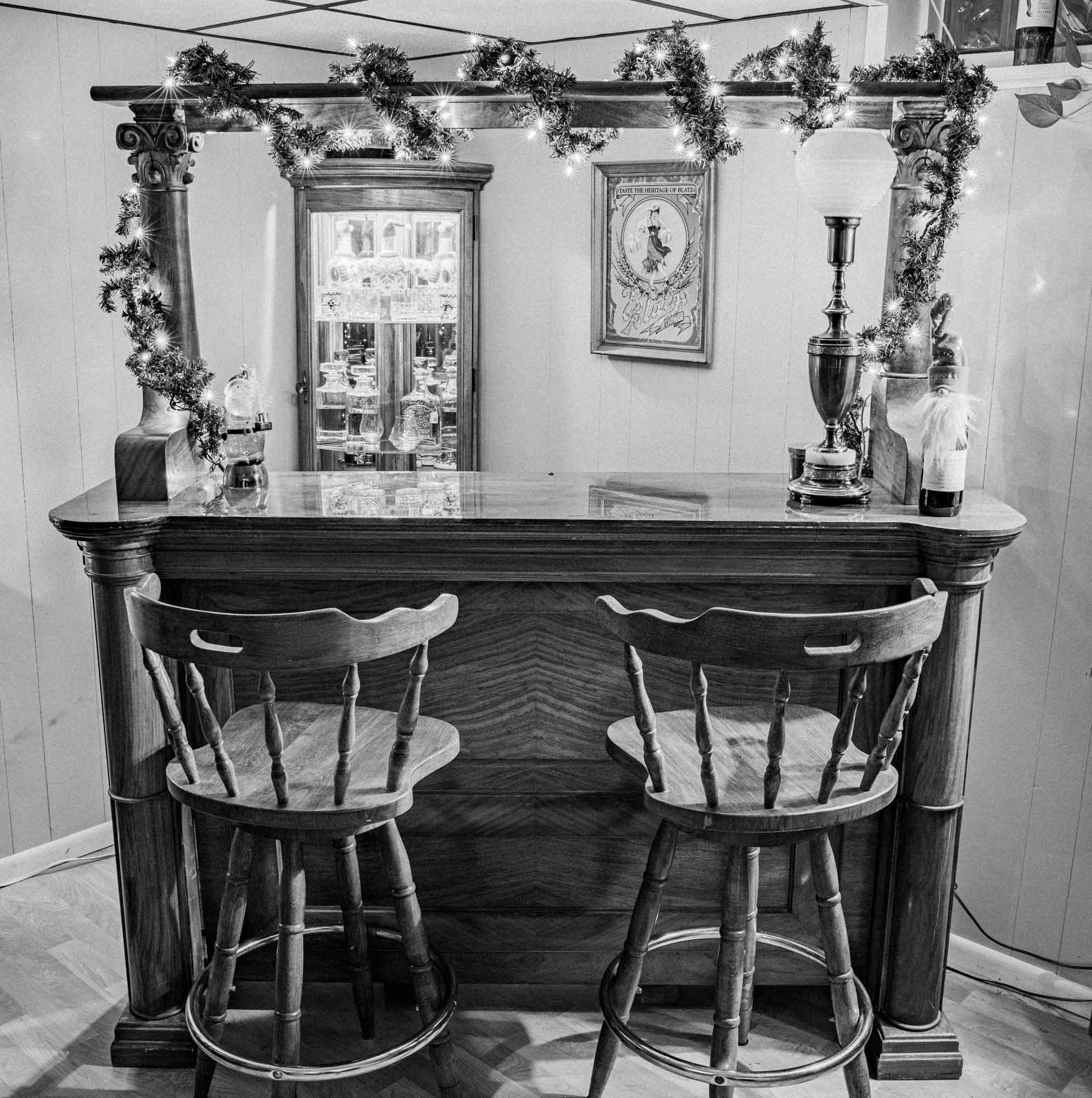
I converted a 100-year-old piano into a bar. Some projects happen just to save something beautiful from being thrown away.
I am a person who has a natural aversion to waste. My workshop is littered with ancient things, many pilfered from my 100-year-old house, that I can’t throw away. Many of them will be moved from place to place until I finally do throw them away, but for now, I’m trying to come up with an idea that will give an interesting old thing another life. My wife is not a fan of this habit.
This is the story of one of those things, one that I have given a new, improved life at 100 years old.
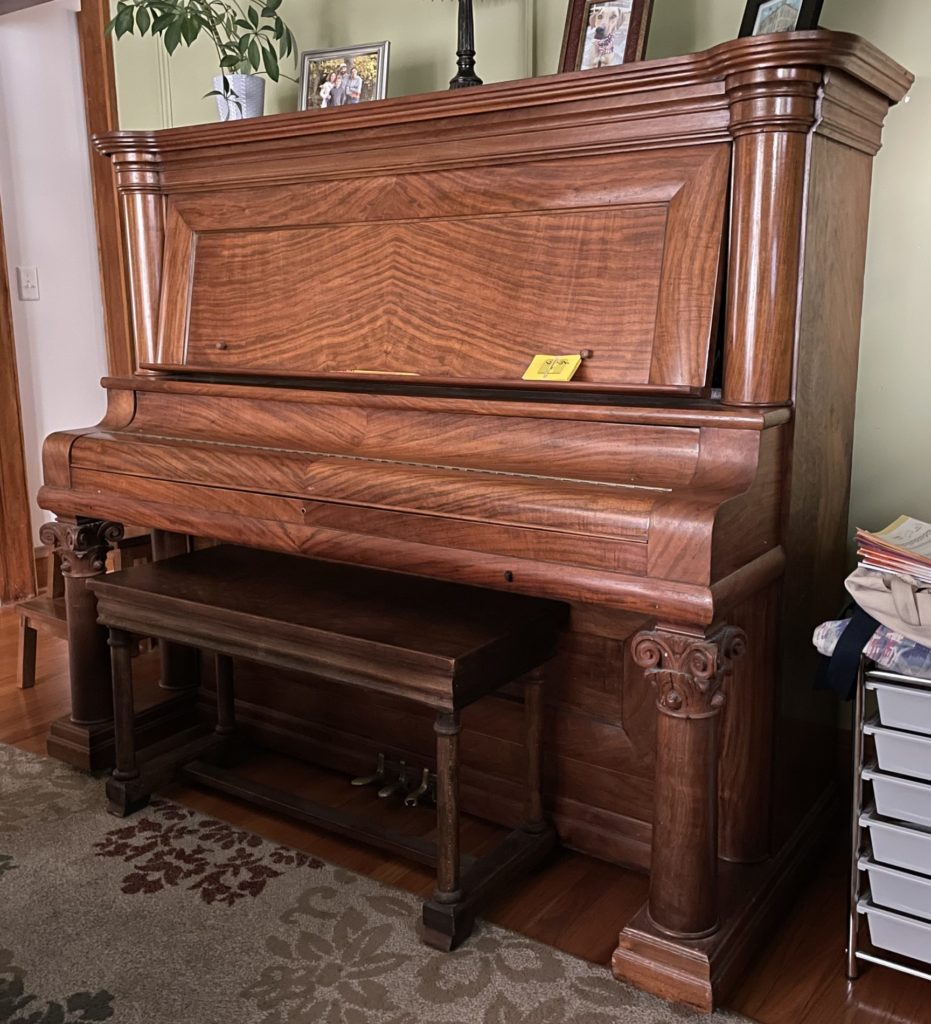
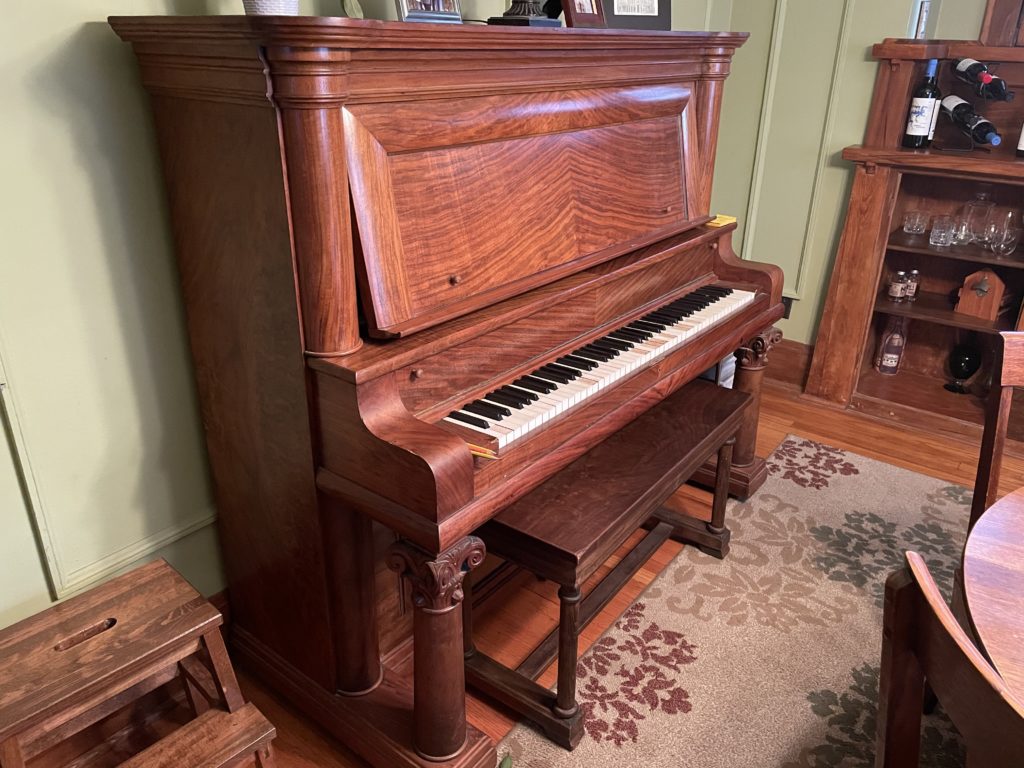
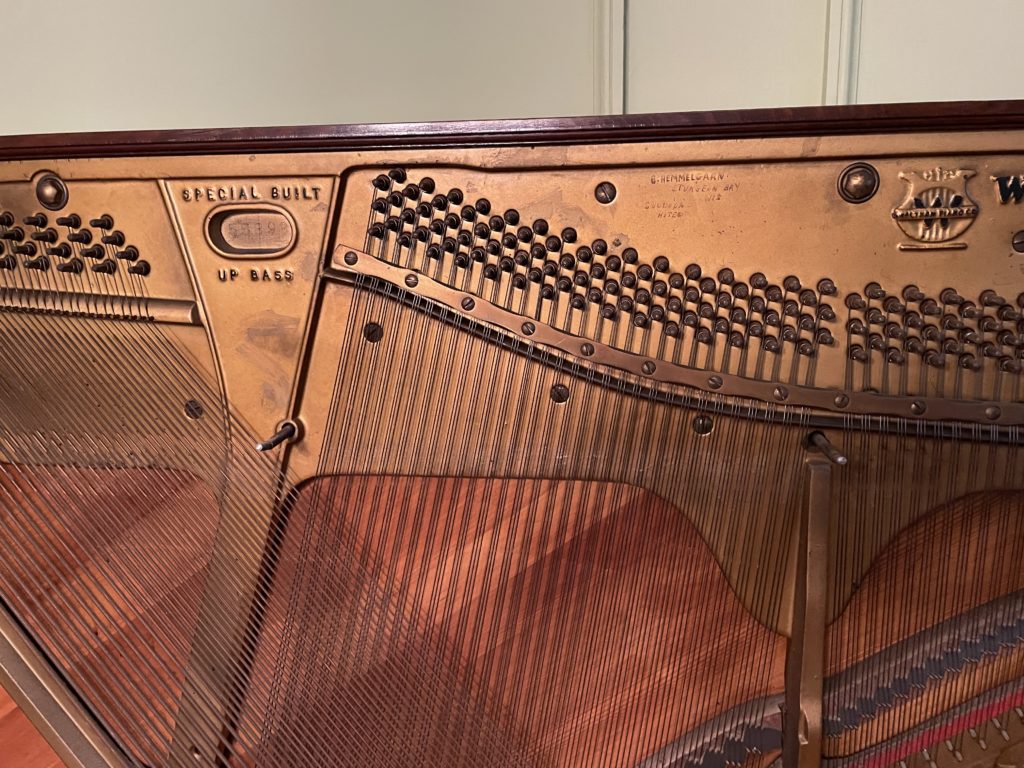
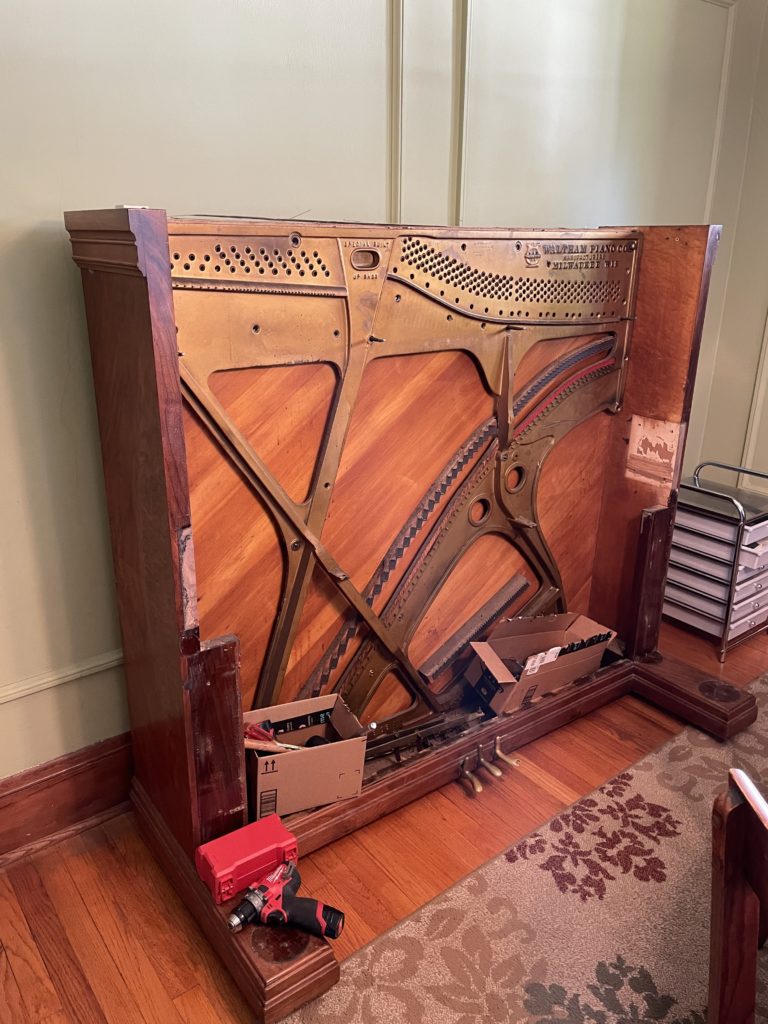
For over a decade, my 100-year-old Milwaukee home has contained a 100-year-old Milwaukee piano. It lived an interesting life: built here in Milwaukee, shipped to my hometown of Sturgeon Bay where it served as lobby piano at Hotel Swaboda, acquired by my parents, banged-upon by myself and my brother, refinished into beautiful exterior condition by my dad, and finally shipped back to Milwaukee to live in my dining room and foster the budding talents of my daughter and son.
Over the years, it became clear that the very old, heavily-used and poorly-maintained piano was no longer up to the task. Annabelle and Jacob had both become exceptional musicians, each with a drive to learn challenging pieces that increasingly left them frustrated by the sticking keys, sour notes, and broken ivories. This beautiful piece of history would either cost us tens of thousands of dollars to restore to a well-playing instrument, or it would need to be replaced.
When we came across an amazing deal on a 90’s Yamaha console piano in excellent condition, we jumped on it and soon had two pianos in our dining room.
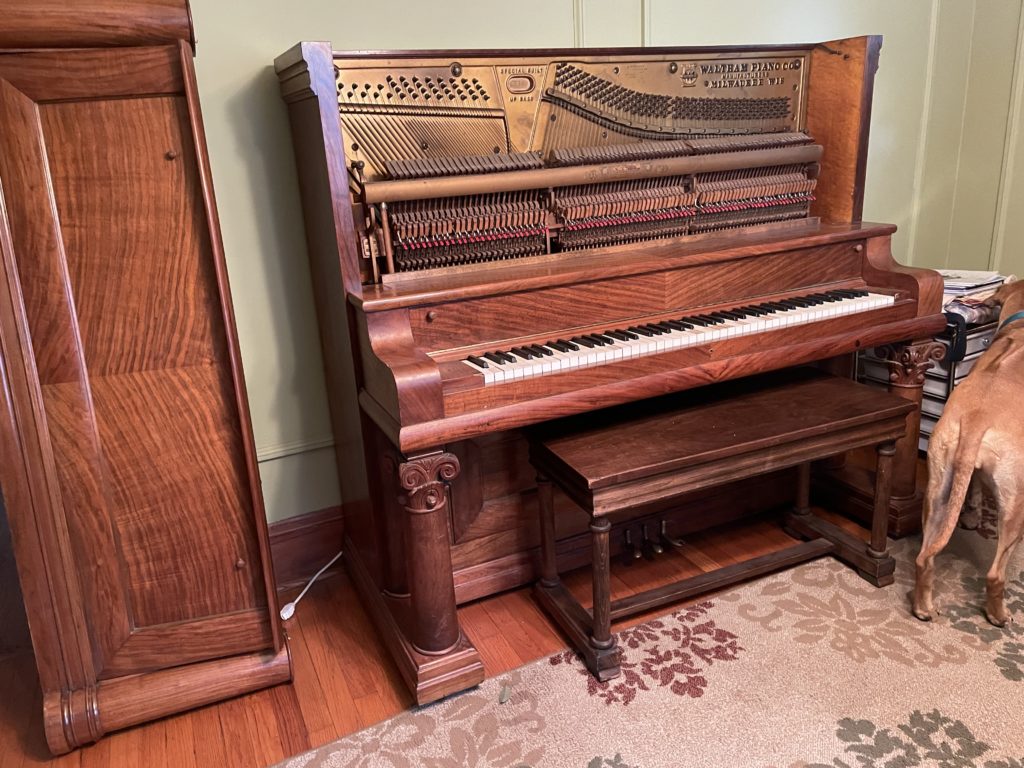
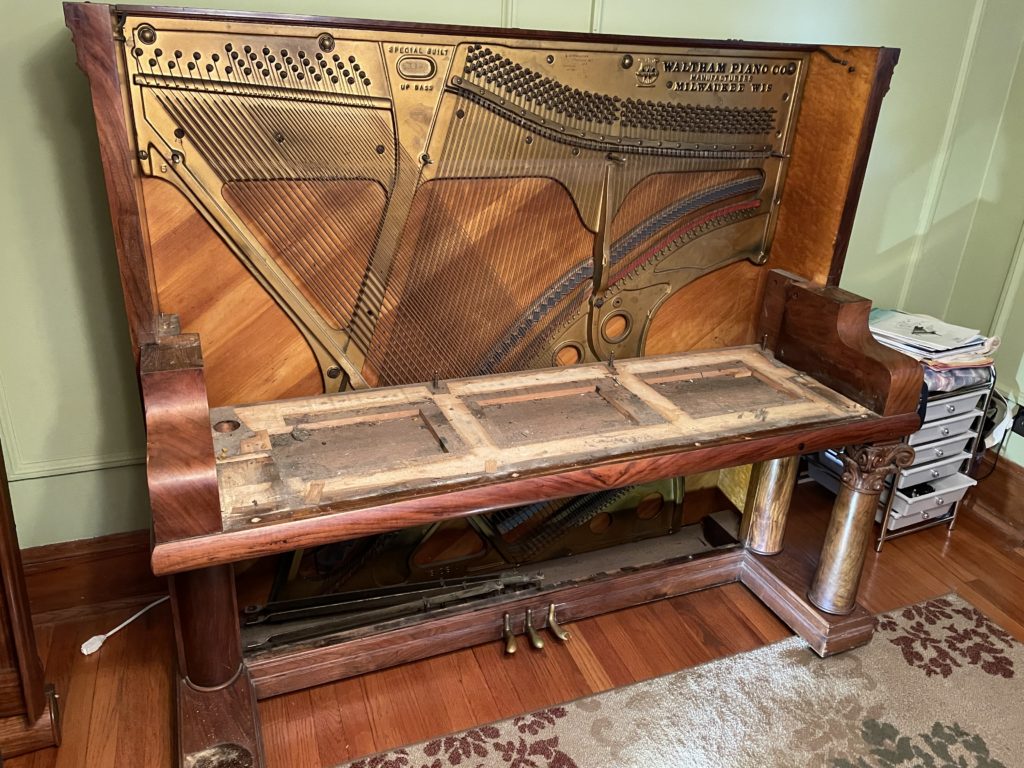
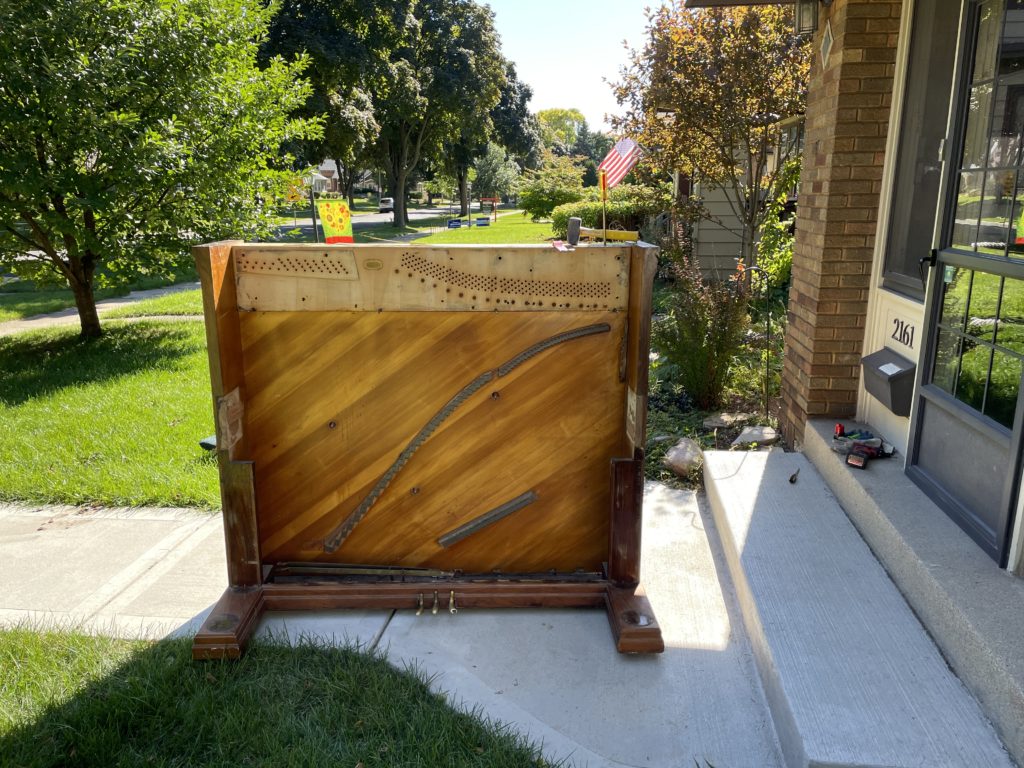
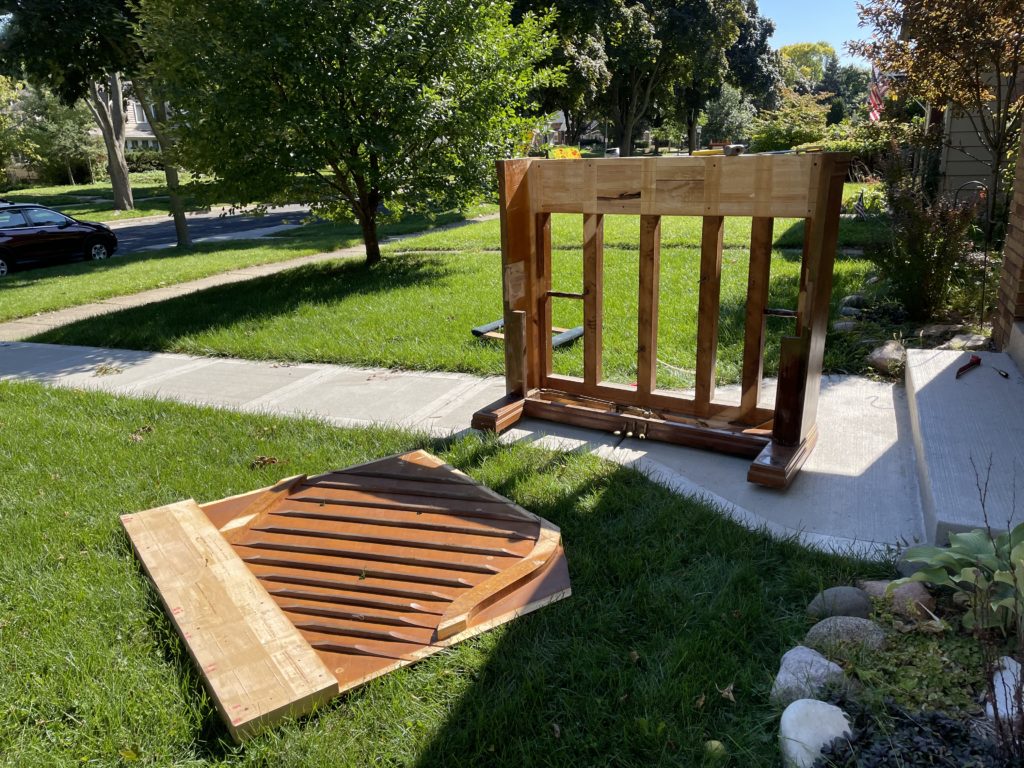
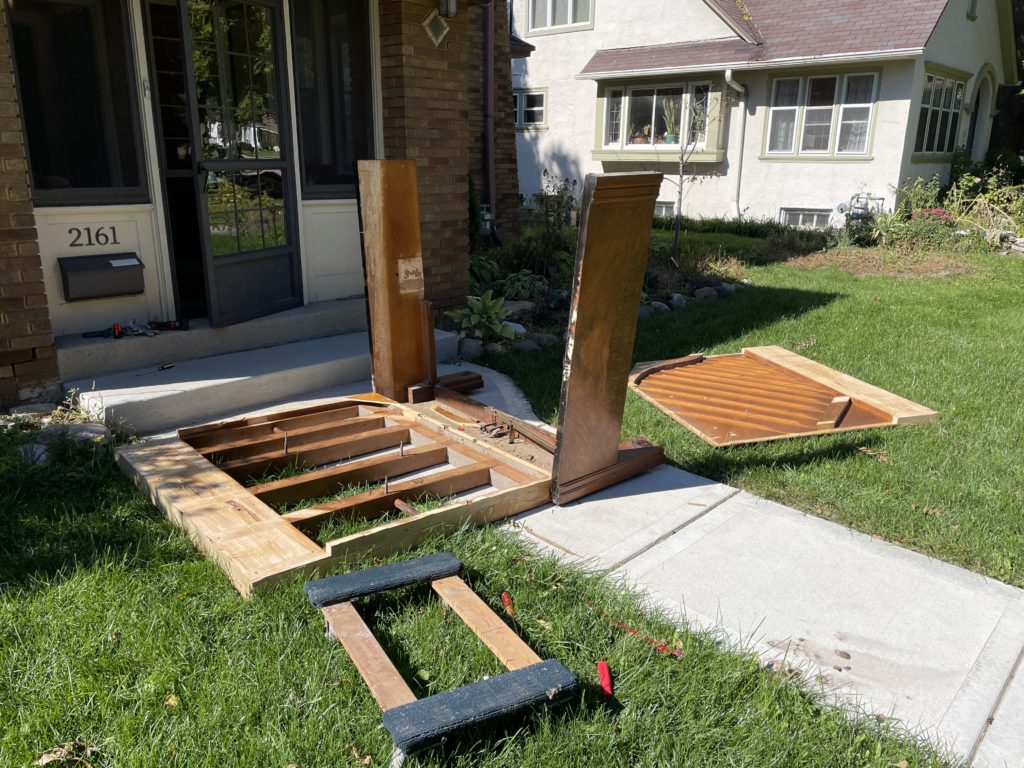
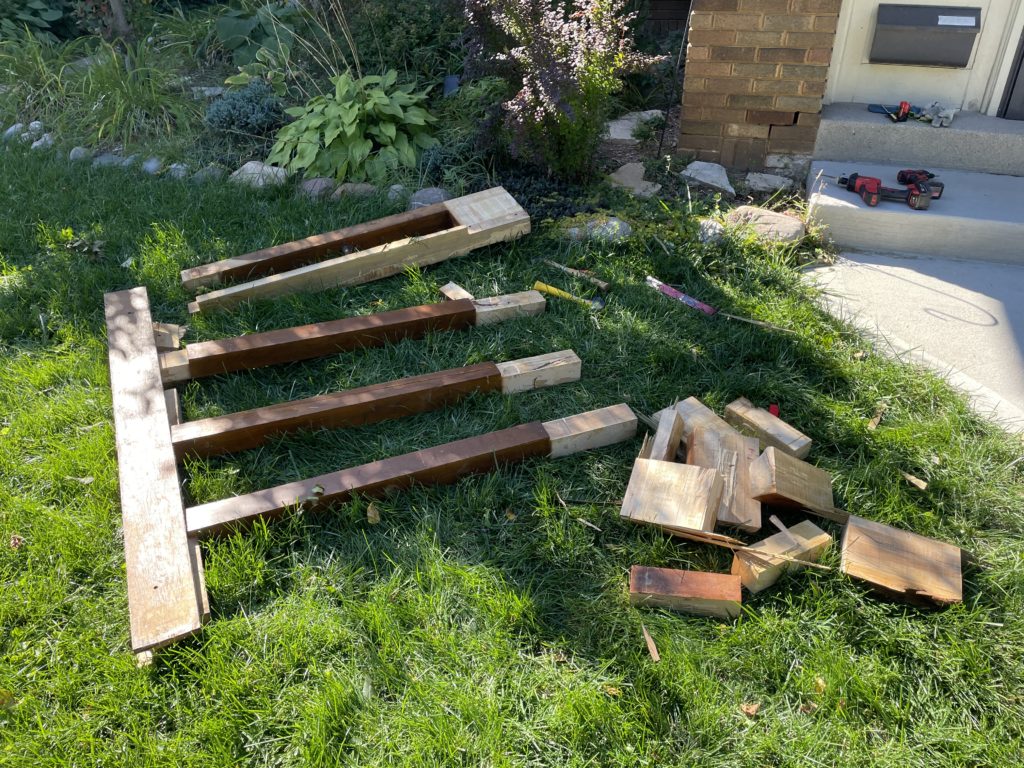
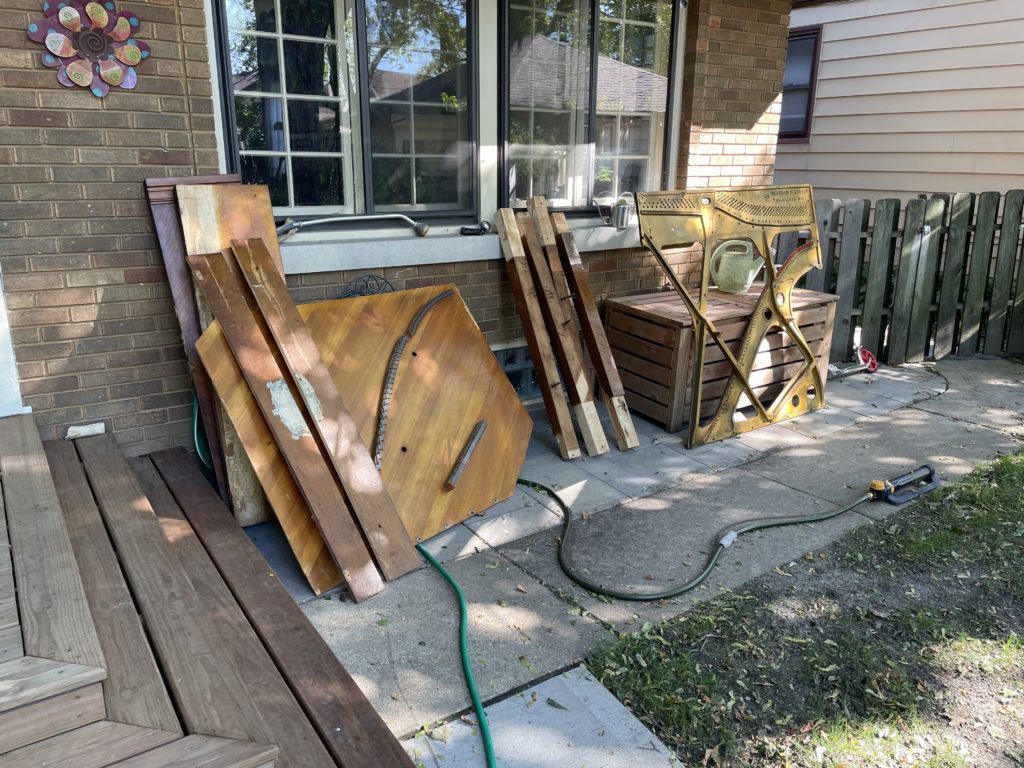
Our brief search for a new home for the huge, heavy, old upright proved fruitless, and it seemed clear that I would be moving it out the front door to some unknown location sooner than later. Rebecca watched YouTube videos on how to disassemble a piano, and after some convincing, out came the screwdrivers, pry bars, and wire cutters.
The keys, with real ivory tops, were removed and put in a box. Tuning pins were loosened, strings were removed, and I began the work of disassembling the case.
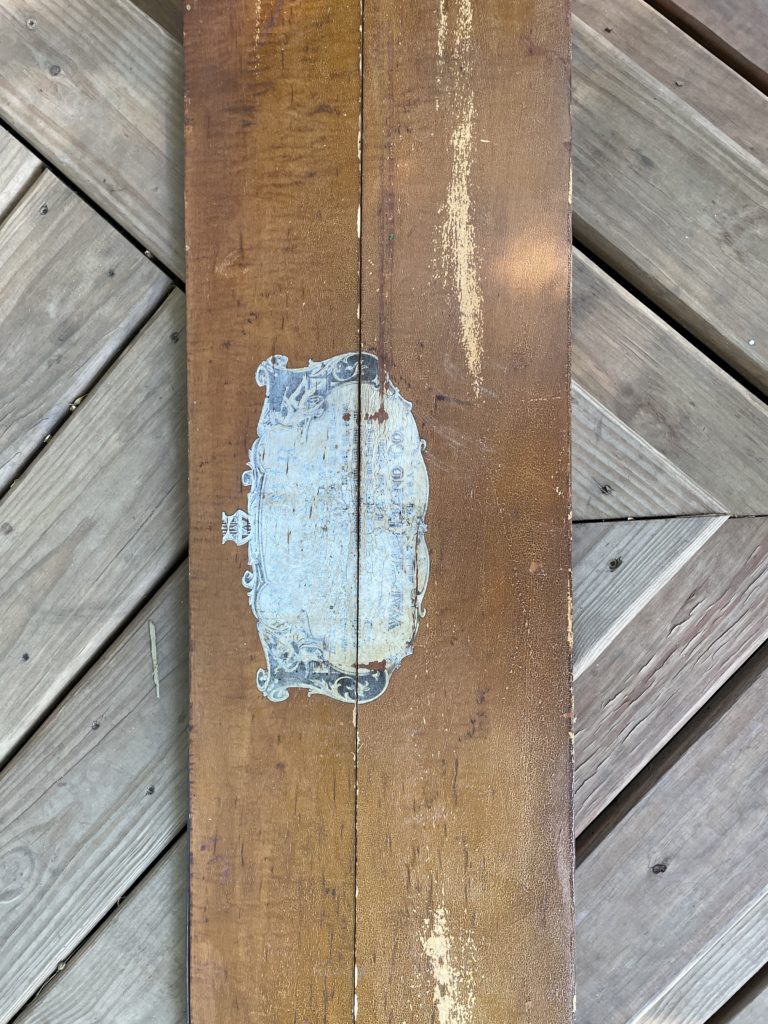
The piano was mostly constructed of Mahogany veneer, with a few solid wood external pieces. Not typically the type of stock that you would repurpose. However, as I started removing the exterior parts and stacking them up in my backyard, I realized that I wouldn't be able to go through with bringing these the dump. There had to be a way to use this stuff.
I made myself a deal: I'll put the nice looking parts in the basement for a week. If I didn't come up with an idea within a week, they would go to the dump. Most of the internals would be thrown away, except for a few of the back posts and other parts that have a decent finish - to make sure I have enough parts to work with.
Luckily, I had a pretty good idea after a day or so:
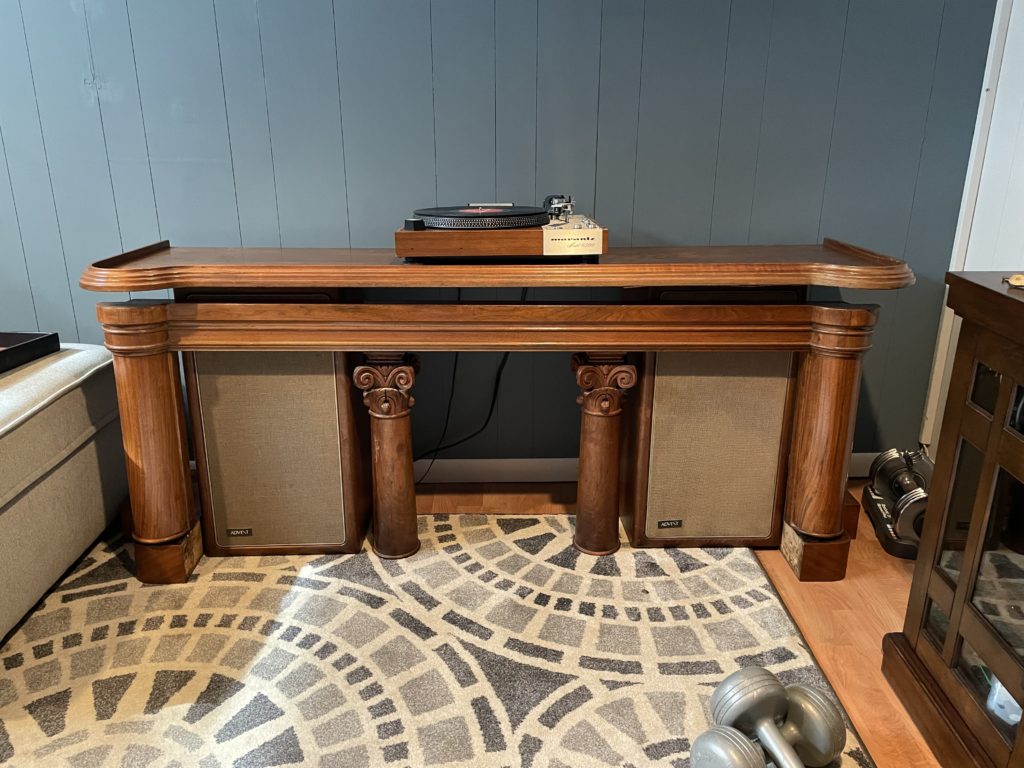
This was met with approval from the family, so we were on our way.
As I brainstormed this plan, problems arose. It's too wide for the room, and we already have a similarly-sized TV console next to it. With speakers built into it, there isn't a whole lot of room for record storage and/or a receiver. Plus, there are more pieces that just don't seem to fit into this configuration.
Late one night, with a drink in my hand, I had the eureka moment. On the other side of the room is a space once occupied by the dreadmill and currently occupied by a few things we don't need and a Peloton that we do need. A much better use of the space would be a small, free-standing bar. I looked at the piano parts, I measured, and I had another drink.
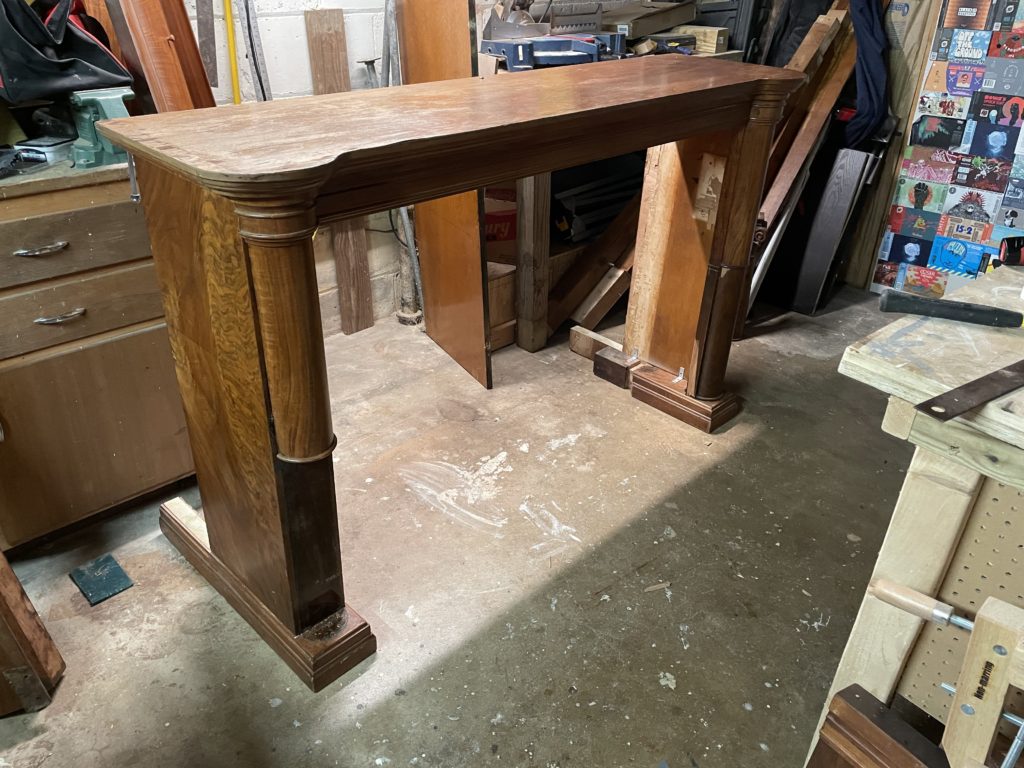
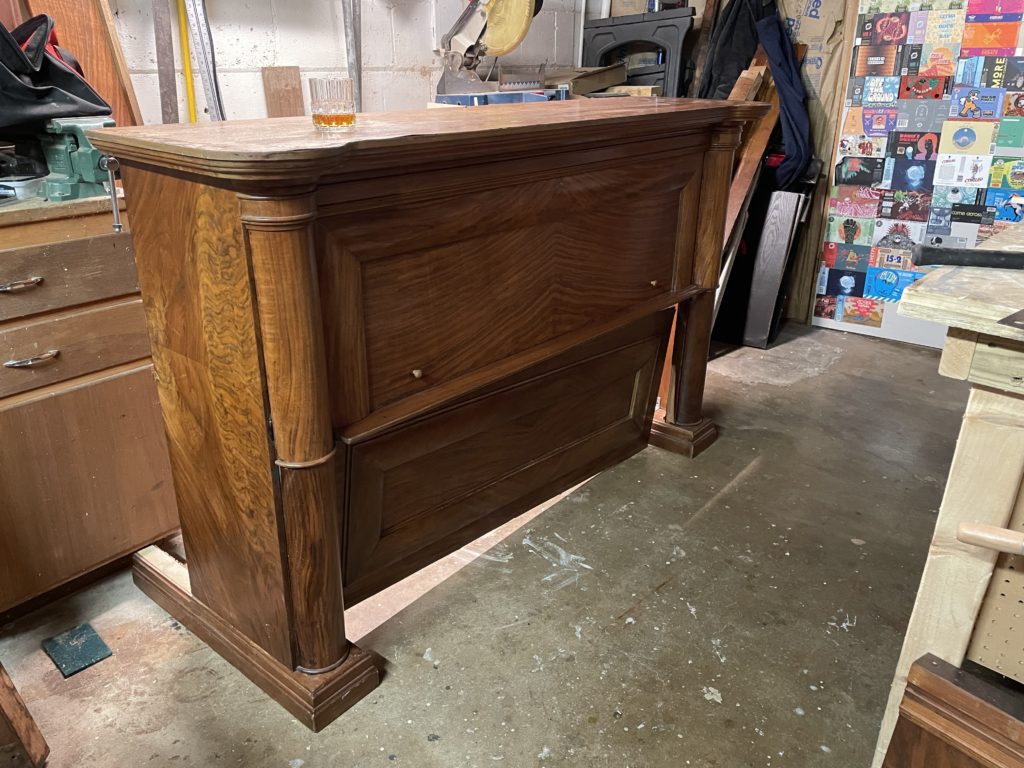
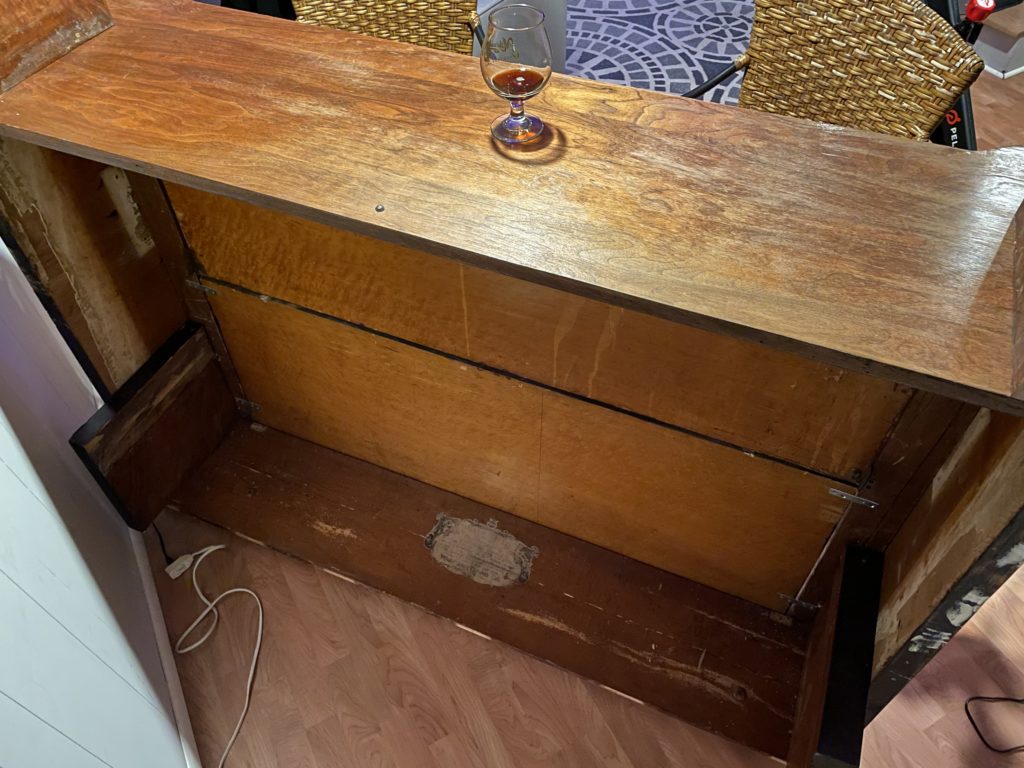
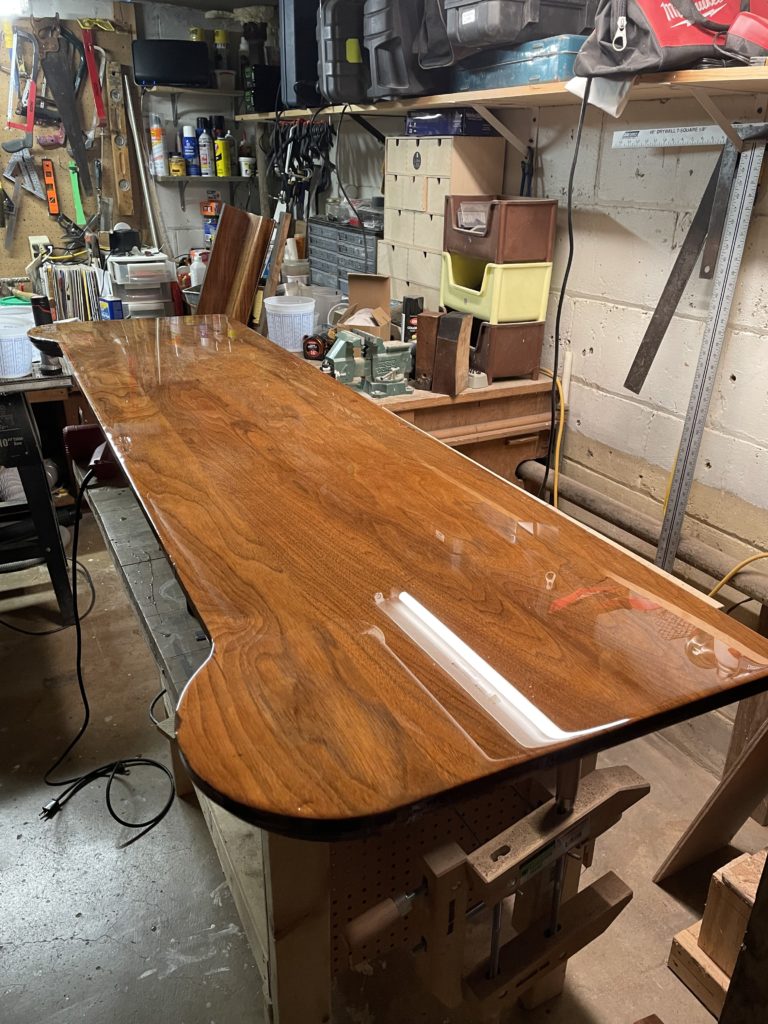
After that, it came together quickly. I cut down the side boards support the top board at bar-height. I cut the side boards at the "feet" of the piano, which formerly extended out to support the keyboard, and re-attached them to eliminate the extension. I attached finished faces of the back posts to the inside of the side boards and mounted the top and bottom front boards to the posts, thus creating an overhang and some knee space for the bar. The top surround (which held the tilt-able top front board - the part that holds your sheet music) fit beautifully on the front, and I added the lower back columns below it, to create the full column on either side. I finished the top of the top board with Glaze-Coat epoxy, creating a durable, glass-like finish and encapsulating the thin, peeling veneer - preserving a beautiful, but well-used, surface.
The interior cavity was the perfect size for storage of bottles and glassware, and I later added thick shelving cut from more piano parts and an old exterior door. This created a fully functional bar, but something was missing, and I still had some interesting piano parts left - including the ornate, sculpted front lower columns.
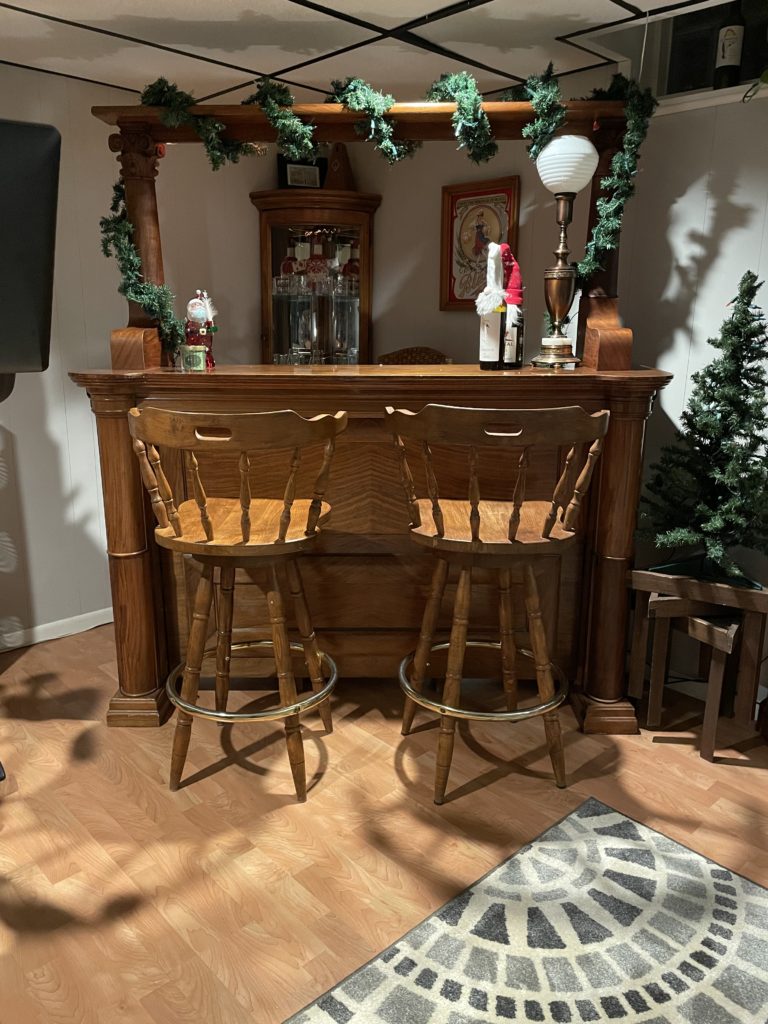
Another eureka moment. I stacked the columns on the side arm parts, which I placed on the finished bar top. This put the columns at the perfect height for a top board. The solid wood part that used to reside above the keyboard-covering "fall board" and below the top front board fit the bill perfectly, with an attractive overhang. I added another part, which contains the nice brass lock mechanism, as an accent to obscure the lighting I would add later.
All parts were reassembled using the original slot-head screws that held the piano together for 100 years.
A couple of Facebook Marketplace lucky finds yielded a perfectly-matched curved glass curio cabinet for a bar back, and some heavy-duty antique barstools. We added some lighting and Christmas decor, stocked the bar, and it was complete.
As my family and I enjoy the holiday season with a toast at this unique repurposing of an item that is sentimental to us, we send you warm greetings as you gather with those that mean the most to you. Thanks for reading.
Take a look at the whole process here: